Tag: therapy

  • Crabs in Bucket, reinterpreted

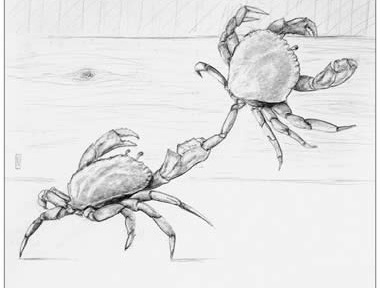
    Crabs in a bucket: Marvin (Diné / Navajo) reflected on “Crabs in a Bucket.” An elder in Seattle shared commonly told admonishment that crabs pull each other down, if one tries to climb out of a pot or bucket, other crabs pull it back down. The lesson, be cautious of who is around you.

    In nature, however, Crabs actually cooperate, climb on each other, help each other, live in community in order to survive. Their nature is cooperation. The bucket, the elder said, is a Western construct. The bucket is Western society, materialism, individuality. When pulled away from their natural environment, of course crabs behave differently.

    A beautiful Native-American re-interpretation of a story commonly told to children; don’t trust or be pulled down by those around you.  This stands is stark contrast to Crabs’ true nature, to lift each other up.  

    Adam Grant (Wharton) added, “We assume this is how crabs behave in a bucket bc this is what we’ve been told. Researchers showed, however, they don’t actually pull each other down. ….Test the hypothesis.” 

    Native wisdom.
  • See. Be. Do.

    Western psychology often focuses on behavior (doing). In contrast, Eastern and Native approaches emphasize seeing, and being, before doing. Many cultures place high value on being (and learning to be) in community w each other vs. individual orientation.

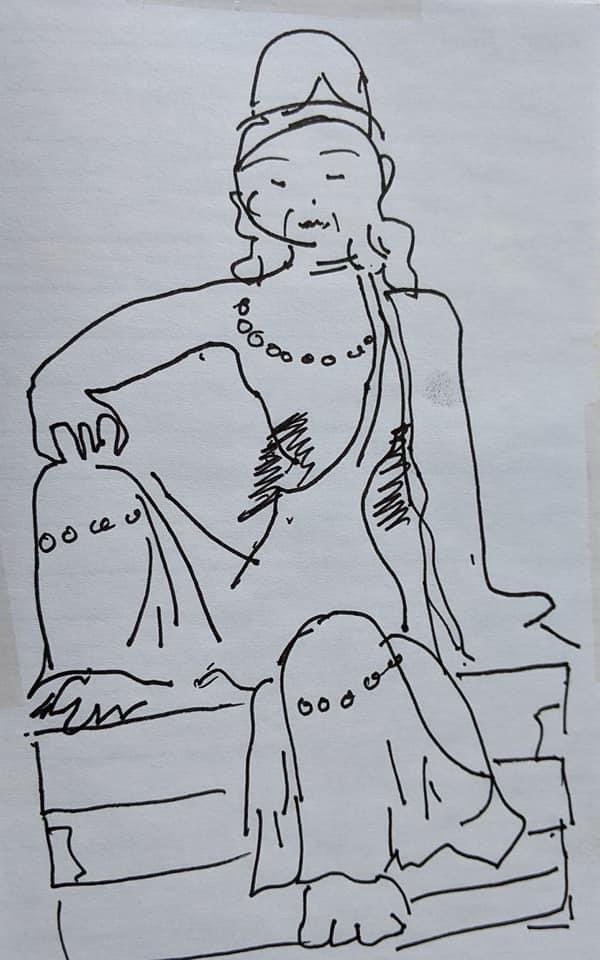
    In therapy, people from diverse backgrounds find that incorporating perspectives of different cultures (anthropological / ecological context) helps to free up different ways to reflect and see self, and w self determination consider how to be with others. This helps to prepare people to make healthy changes in behavior and thought. Photo is image of #GuanYin, “relaxed composure.”

    Guan Yin “relaxed composure”

    See it.

    🌘

    Feel it

    🌓

    Be it

  • Back to Paper Planner

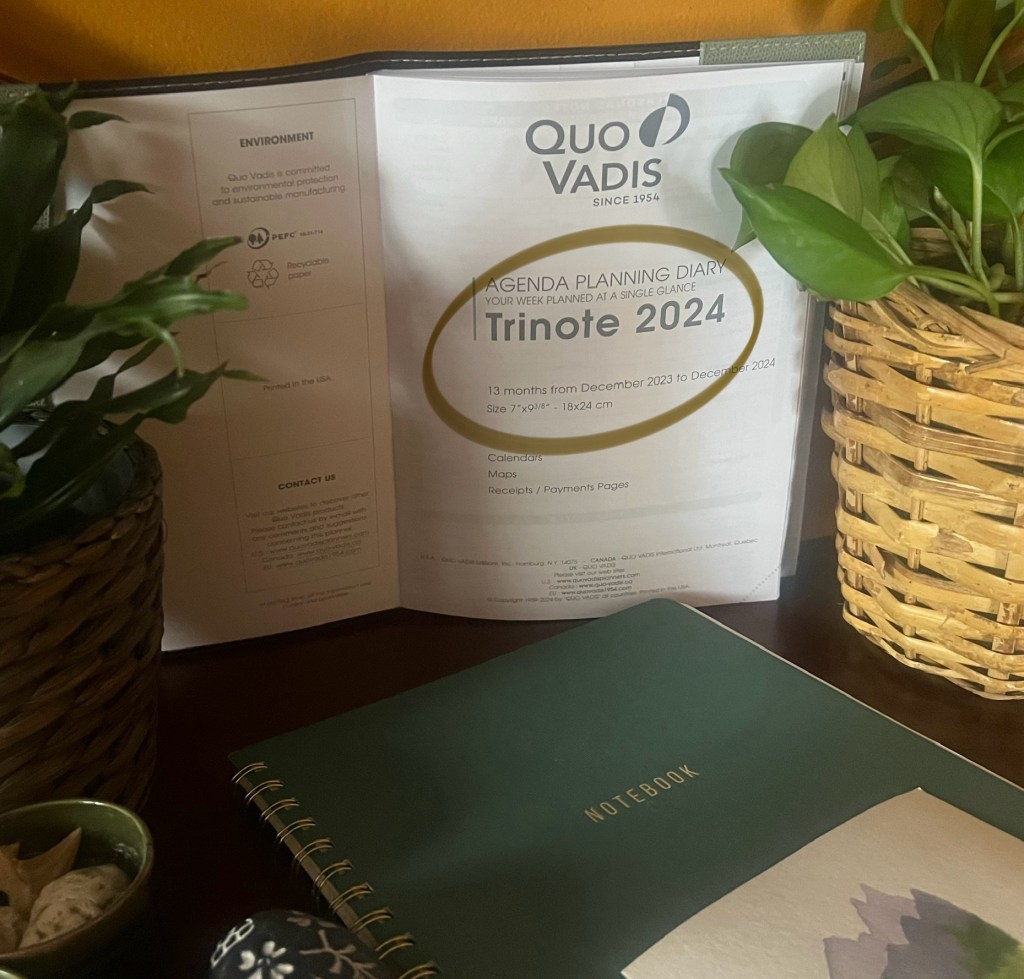
    After years of keeping my calendar 📆 on my phone, I’ve gone back to using a paper planner and notebook. The folks at Elmwood Stationers in Berkeley helped me to rediscover the Quo Vadis Trinote Planner. My brain 🧠 likes it already. For example, I need fewer calendar “reminders” or alerts.

    It’s good to reconnect with acoustic version of myself. James Wogan unplugged, an analog man in a digital world 💫💛🌎

    P.S. – If you’re a young person who’s never used a paper planner, r u abouta check it out?