
Author: James Wogan MFT LCSW
-
Rain perspectives
 “Jamés, is there any chance you can take tomorrow off? Do you want to go mountain bike riding in the rain 🌧️ ☔️ ?? It’s really beautiful, and there’s place in Marin where it’s not muddy and we can have a beautiful ride. China Camp in Marin.”
This was my friend Sasan🇮🇷 on phone Wednesday morning. Been storms in the bay area and there’s a lot of hype (and some true loss ie floods in Santa Rosa). Sasan’s call showed me that people can see the world totally differently, different perspective different sense of joy and excitement…
99% of the conversation and news about rain is negative, new weather vocabulary like “bomb cyclone” or “ atmospheric river” has people all anxsty.
Meanwhile Sasan (and a few others) looooove storms 🌧️ ☔️. “What better way to connect w Nature?”
Likewise, one of my clients in therapy said, “Oh the rain is such a good time to go fishing 🎣!” A lot of people are taking day off work bc they want to be out in the rain catching fish; freshwater is stirred up by the rain, the fish go nuts.”

-
See. Be. Do.
Western psychology often focuses on behavior (doing). In contrast, Eastern and Native approaches emphasize seeing, and being, before doing. Many cultures place high value on being (and learning to be) in community w each other vs. individual orientation.
In therapy, people from diverse backgrounds find that incorporating perspectives of different cultures (anthropological / ecological context) helps to free up different ways to reflect and see self, and w self determination consider how to be with others. This helps to prepare people to make healthy changes in behavior and thought. Photo is image of #GuanYin, “relaxed composure.”
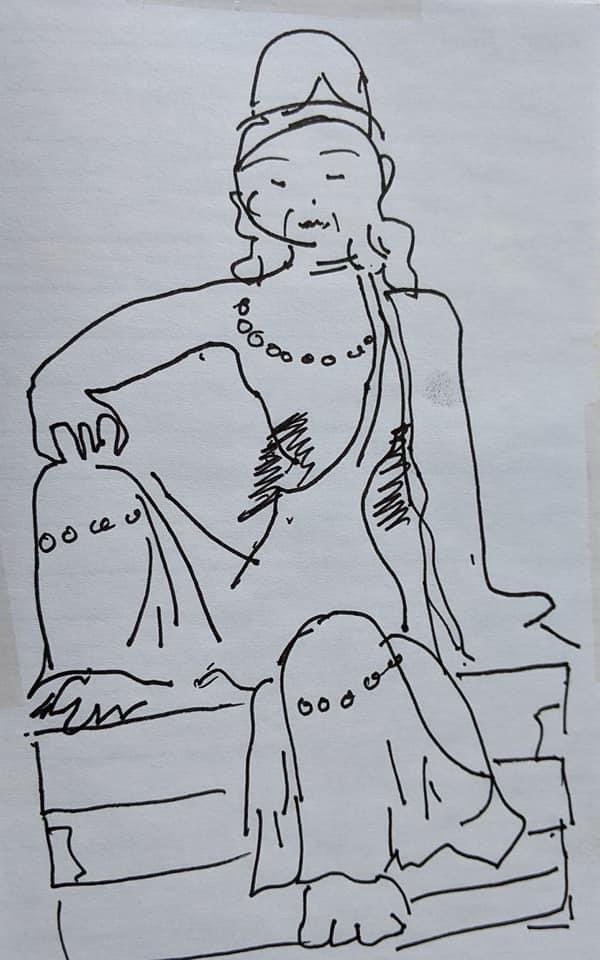
Guan Yin “relaxed composure” See it.
🌘
Feel it
🌓
Be it
-
GONA
Was invited to gathering of indigenous teenagers in Marin Headlands retreat center at Point Bonita. Was 4-Day Native community-building wellness retreat called “GONA” for about 20 teenagers from SF.
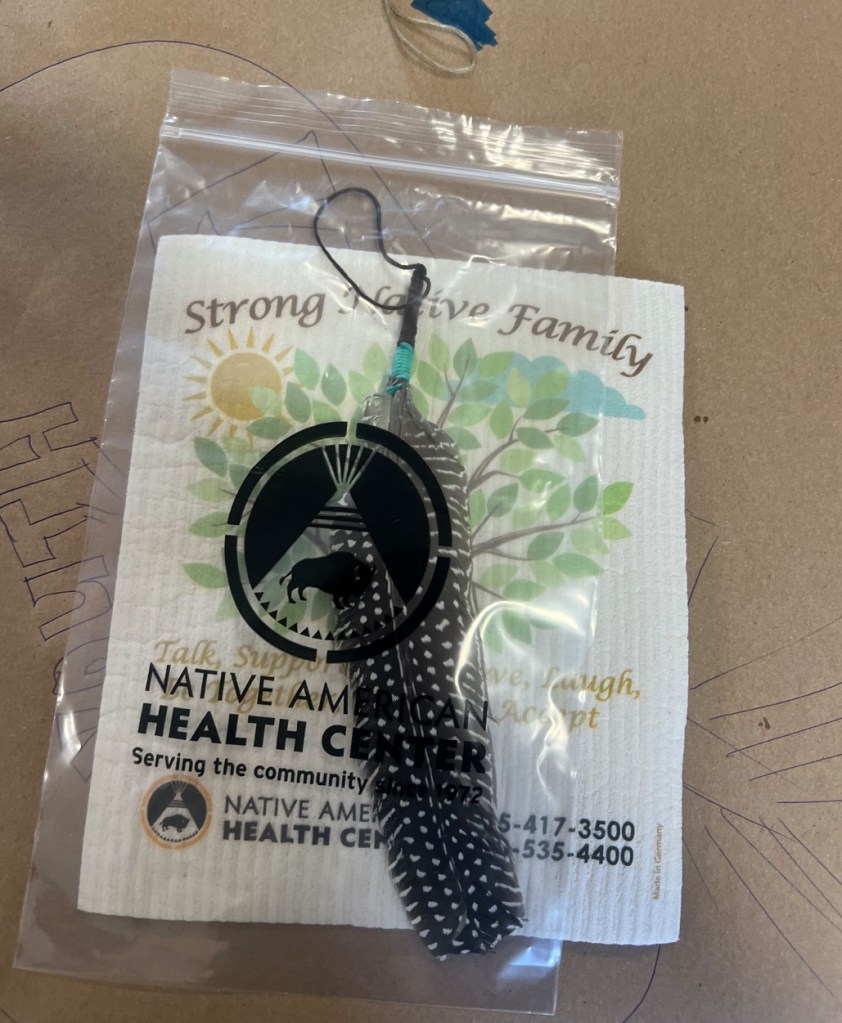
A indigenous woman shared about the healing properties of feathers,🪶 🪶 and how different feathers can be used medicinally for different circumstances.
She answered questions and shared, for example, that one “might not always want an eagle feather, it depends on the situation.”
For peacefulness, she recommended feathers of a pheasant. One teenager asked about owl 🦉 and she paused … said people from some tribes don’t want to be near owl feathers bc of their meaning and energy.
She had light-hearted way of talking w kids; showed them how to wrap feathers in different ways (see photo) they were into it. touch each feather and notice how tactilely different (and similar) each feather is … brings us closer to nature therefore in community w each other.
The theme for Friday was “generosity.” Some of the kids offer feathers they made as gift to community. They had also done beading and painting in previous days. Gifts are put in community circle and could go to anyone.
Native youth leader Crystal from Oakland painted pine nuts from backyard, made a necklace; this will be her gift to someone in community.
💫 Hope you see some birds (and feathers 🪶 ) soon.

-
Bali High Priestess Water Healing
My friend did healing ceremony w water 💦; w high priestess from Bali. Her health and mental health improved dramatically.
https://www.baliwellnessretreat.com/excursions-activities/the-balinese-water-purification-ceremony/
 James Wogan LCSW