Author: James Wogan MFT LCSW

  • Self criticism

    Have you ever tried to criticize yourself out of criticizing yourself? “There you go again criticizing yourself you fool. No wait, I criticized myself for criticizing myself.” Ohhh so Bob Marley and John Lennon were right this whole time? I knew it.

    Lasting change doesn’t happen through negativity. In fact, it happens in spite of negativity.

    One love.

  • Couples Cards w Questions

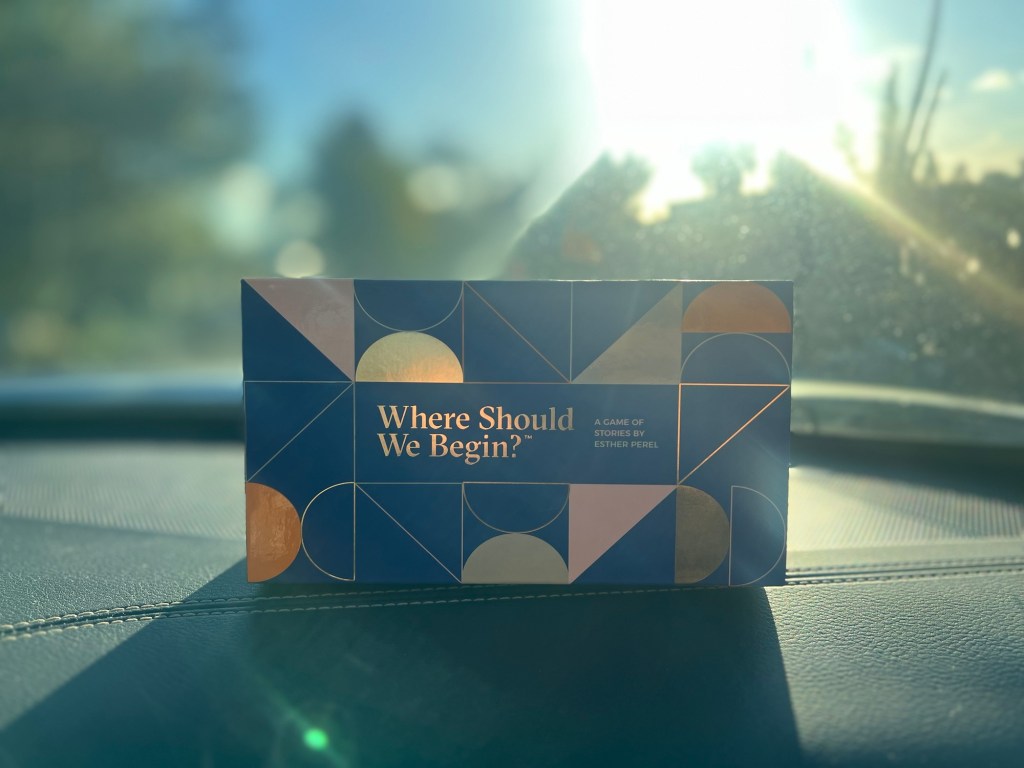
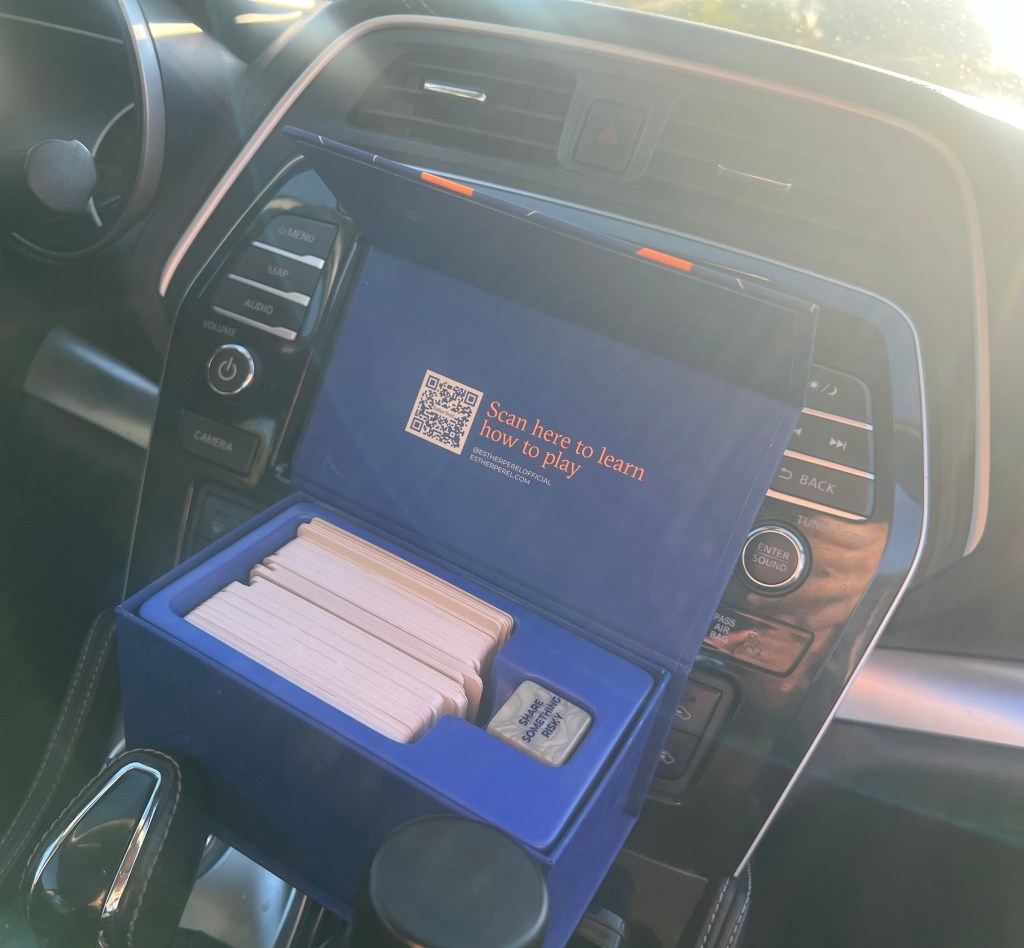
    “Where Should We Begin?” A game of stories.

    I recommend the couples cards by my favorite couples’ therapist, Esther Perel.

    Esp. good for a road trip.

    Available on Amazon.

  • Back to Paper Planner

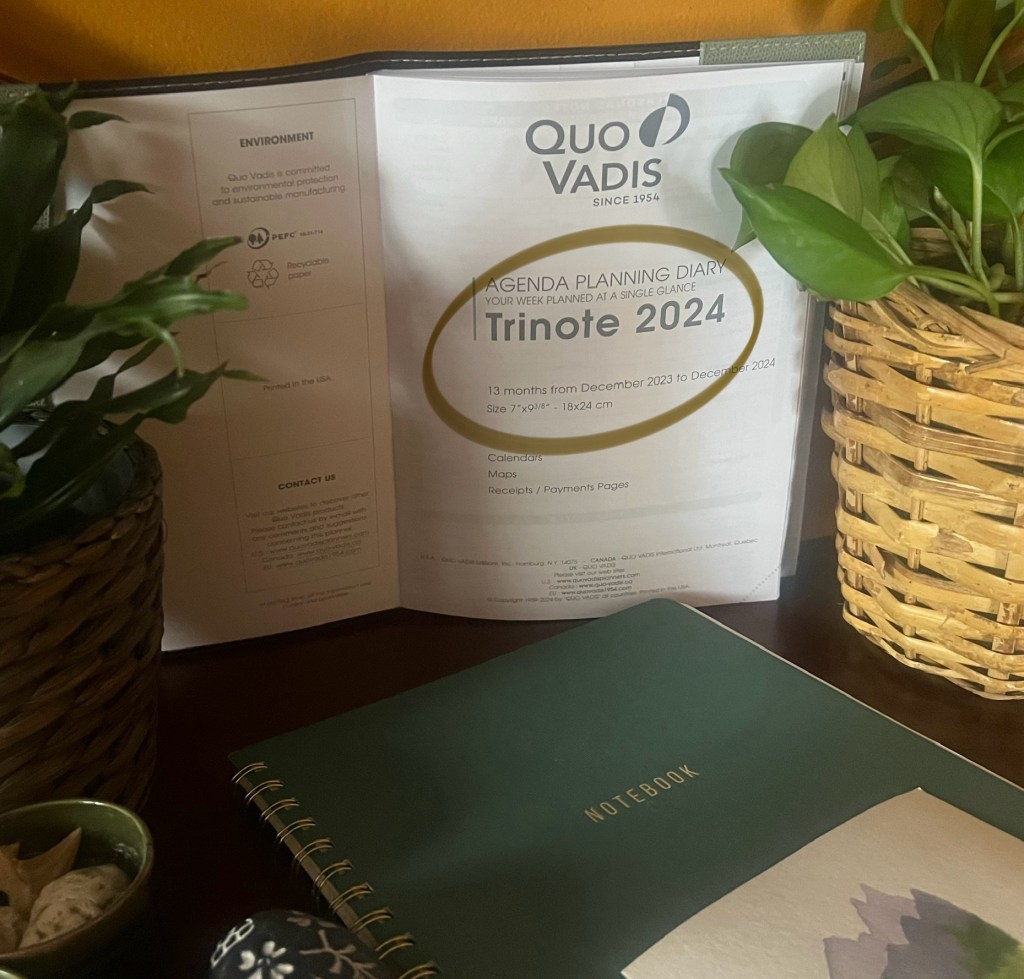
    After years of keeping my calendar 📆 on my phone, I’ve gone back to using a paper planner and notebook. The folks at Elmwood Stationers in Berkeley helped me to rediscover the Quo Vadis Trinote Planner. My brain 🧠 likes it already. For example, I need fewer calendar “reminders” or alerts.

    It’s good to reconnect with acoustic version of myself. James Wogan unplugged, an analog man in a digital world 💫💛🌎

    P.S. – If you’re a young person who’s never used a paper planner, r u abouta check it out?

  • Therapy in the Dark

    I’ve turned out the lights and done couple’s therapy in pitch dark. This started when I did home visit with a couple in their home in Tokyo. The woman had been crying, she didn’t want to come to living room and asked to turn off the lights; They had one of their most productive conversations ever. The husband was often demonstrative with his hands while he talked. In the dark, she was less tenuous when she spoke. A few weeks later at the office, we turned out the lights again; I found they were less reactive to visual cues and facial expressions. Their tone was thoughtful, and patient. Since then, I’ve introduced ‘therapy-in-the dark’ to couples and families in family therapy. Many families find it to be helpful.

  • Suicide Prevention re-examined

    https://www.latimes.com/california/story/2023-11-30/dead-at-16

    Suicide Prevention policies, practices and procedures must use continuous cycle of inquiry and improvement.